


Learning by Doing: Creating Hands-On Books That Inspire Action, Understanding, and Growth

In a world filled with information, true learning doesn’t come from simply reading—it comes from doing. The most impactful books are no longer just pages of text; they are experiences. They invite readers to participate, explore, build, reflect, and apply what they’re learning in real, meaningful ways.
At Graph Publishing, we believe hands-on learning books are not just a trend—they are the future of education, training, and personal growth.
Whether you’re writing for children, adults, homeschool families, or workforce training programs, creating an interactive, hands-on book transforms your content from passive reading into active learning.
What Is a Hands-On Learning Book?
A hands-on learning book is designed to engage the reader beyond the page. Instead of simply presenting information, it encourages:
Participation
Exploration
Creation
Reflection
Application
These books turn readers into learners—and learners into doers.

What This Can Look Like
Hands-on books can take many forms depending on your audience and purpose. The key is intentional interaction.
For Children
Children thrive when they can see, touch, and experience what they are learning.
Examples include:
Coloring pages that reinforce concepts
Cut-and-paste activities
“I Spy” and visual search games
Simple science experiments
Matching, tracing, and drawing exercises
These elements help build foundational skills while keeping learning fun and engaging.
For Homeschool Families
Homeschool environments offer the perfect space for creative, hands-on curriculum.
Hands-on homeschool books can include:
Unit studies with built-in activities
Lapbooks and foldable projects
Journaling prompts tied to lessons
Real-world applications (cooking, building, mapping)
Faith-based reflections and scripture writing
These books allow parents to guide learning while giving children ownership of the experience.
For Adults and Personal Growth
Learning doesn’t stop in childhood—adults benefit deeply from interactive content that helps them process and apply knowledge.
Hands-on books for adults may include:
Guided journals with reflection prompts
Goal-setting worksheets
Habit trackers and accountability charts
Exercises for personal development or healing
Skill-building challenges
These formats turn ideas into transformation by encouraging action and consistency.
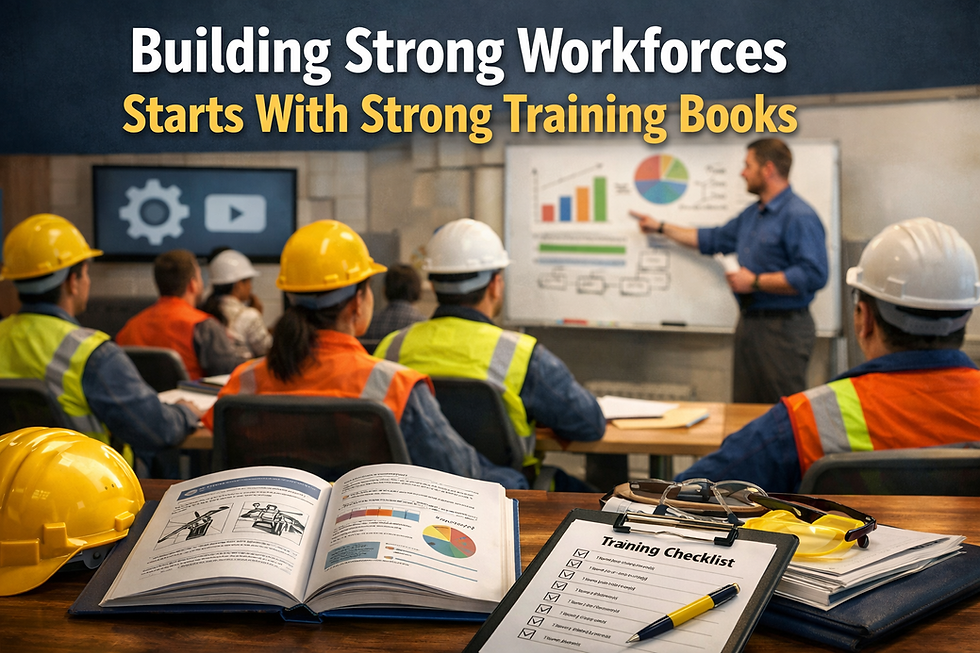
For Workforce Training and Education
One of the most powerful uses of hands-on books is in professional training and workforce development.
Instead of passive manuals, interactive training books can include:
Step-by-step checklists
Scenario-based problem solving
Fill-in-the-blank processes
Skill verification pages
Reflection and improvement tracking
This approach increases retention, reduces errors, and builds confident, capable employees.
Example Formats You Can Create
If you’re considering writing a hands-on learning book, here are proven formats to guide your structure:
1. Workbook Style
Lessons followed by exercises
Space for writing and responses
Progressive skill-building
2. Activity-Based Books
Games, puzzles, and challenges
Creative and exploratory tasks
Ideal for children and families
3. Guided Journals
Prompts and reflections
Personal application
Ideal for adults and faith-based content
4. Project-Based Learning Books
Step-by-step projects
Real-world outcomes
Great for homeschool and education
5. Training Manuals with Interaction
Instruction + application
Built-in assessments
Workforce and certification-focused
Why Hands-On Books Matter
Hands-on learning books:
Increase retention and understanding
Build confidence through practice
Encourage creativity and critical thinking
Turn knowledge into real-life skills
Engage readers on a deeper level
People remember what they experience far more than what they simply read.
Your Idea Matters
You may already have the foundation for a hands-on book:
A teaching method you’ve used successfully
A training process that works
A homeschool system that has impacted your family
A personal growth journey that could help others
What if you turned that into something others could experience for themselves?
A Call to Create
There is a growing need for books that don’t just inform—but transform.
At Graph Publishing, we encourage authors to think beyond traditional writing. Create books that:
Invite participation
Inspire action
Teach through experience
Leave a lasting impact
Your knowledge, your system, your creativity—it could become the very tool someone else needs to learn, grow, and succeed.
Start writing. Start creating. Start building something hands-on that truly makes a difference.


Comments